Overwatch Rice Purity Test: Hero-Themed Questions and Meaning
A clear guide to Overwatch-themed checklist questions, score context, role language, and private ways to play without turning a fan quiz into a ranking.
If you searched for an overwatch rice purity test, you are likely looking for the familiar yes-or-no checklist format with questions rewritten around heroes, roles, maps, team fights, cosmetics, and player memories. The direct answer is that an Overwatch version is a fan-made themed quiz, not an official Blizzard statistic. It can be a fun way to recognize shared moments, but its score only describes the list you answered.
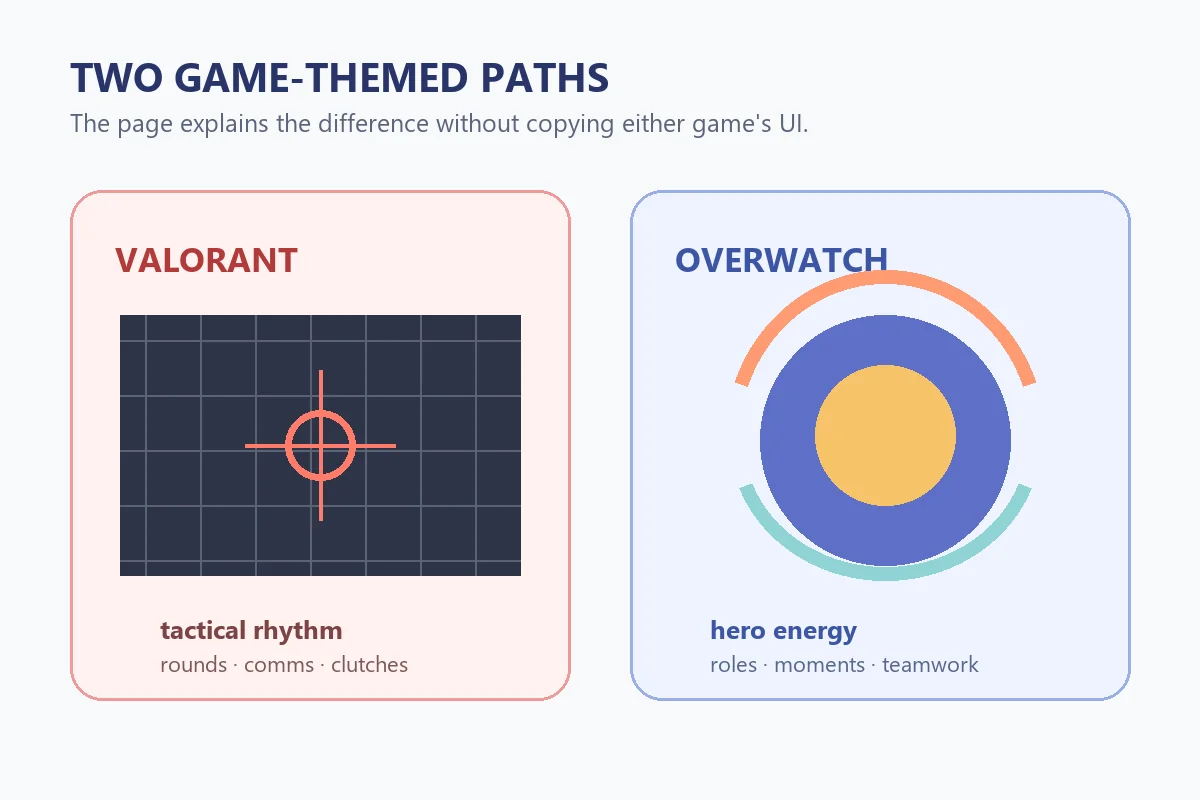
Quick answer: what does the Overwatch version measure?
It measures which game-related experiences apply to you on that particular checklist. Examples include choosing a main, switching roles for a team, staying through overtime, joining voice chat, watching a tournament, collecting a cosmetic, or remembering a memorable team fight. It does not measure rank, aim, game sense, maturity, or whether one player is better than another.
What is an Overwatch rice purity test?
An Overwatch rice purity test is a themed checklist about the way a player experiences Overwatch and its community. The word “purity” is playful here; it does not describe a person's morality or a game's official data. Fan lists borrow the structure of the classic Rice Purity Test, then replace general life questions with recognizable game moments.
Because these lists are community-made, there is no universal question bank. One version may contain 25 short prompts about heroes and roles, while another may include 100 items about maps, competitive habits, events, cosmetics, streams, and social play. Before comparing two numbers, check the question count, the starting score, and whether a checked answer adds to or subtracts from the total.
The best use is as a conversation starter or private memory checklist. It can help a new player notice how much of the game they have explored, while a long-time player may enjoy seeing familiar situations described in a different way. It should not be used to pressure someone into revealing a private answer.
Overwatch purity test questions: common themes
Good Overwatch quiz questions are specific enough to feel familiar but simple enough to answer without an argument about what “counts.” The categories below show the kinds of prompts a well-designed list may include.
| Theme | Example prompt style | What it captures |
|---|---|---|
| Heroes and mains | Have you changed your main after a balance update? | How a player builds familiarity and identity around a hero. |
| Roles and teamwork | Have you swapped to a needed role to help the team? | Flexible play, communication, and the social rhythm of a match. |
| Maps and moments | Have you won or lost a match in overtime? | Memorable match states that many players recognize. |
| Cosmetics and events | Have you saved for a skin or followed a seasonal event? | Fandom, collecting, and interest beyond the match itself. |
| Community habits | Have you muted, blocked, streamed, or shared a highlight? | Online boundaries and the ways players participate around the game. |
These prompts are descriptive rather than diagnostic. A “yes” answer means the experience happened; it does not say that the behavior was admirable, embarrassing, or required for belonging. A strong list also avoids pretending that every player has the same access, platform, time, or comfort with voice chat.
How to understand an Overwatch purity test score
Start by reading the scoring rule. Some lists begin at 100 and subtract one point for every checked experience, following the classic format. Others simply count “yes” answers, so a higher number means more items checked. The number cannot be interpreted until you know which system the page uses.
Even when two lists use the same 0–100 scale, their scores are not interchangeable. A list centered on heroes and roles may give a different result from one focused on competitive play or cosmetics. Treat the score as a summary of that list, not a universal measure of your Overwatch identity.
There is also no official “good” or “bad” Overwatch purity score. A player who checks many items may have tried more modes or simply played longer. A player with fewer checks may prefer one hero, play casually, or skip community features. Neither result says anything reliable about mechanics, rank, sportsmanship, or personal value. For the classic scoring background, see our Rice Purity Test score meaning guide.
How to take an Overwatch purity test responsibly
If you want to try an Overwatch purity test, use the following process to keep the result understandable and comfortable:
- Check the scope. Note whether the list is about Overwatch generally, a specific mode, competitive habits, or the wider fandom.
- Read the scoring note. Confirm the item count and whether checked answers add or subtract points.
- Answer from your own experience. Do not change an answer because teammates remember a match differently.
- Skip unclear prompts. If wording is vague, leave it unchecked or record a private note instead of guessing.
- Share selectively. A group can compare jokes or categories without requiring screenshots, usernames, chat logs, or personal explanations.
Keep a fan quiz private by default
A community test can mention voice chat, spending, conflict, or other experiences that feel personal. Use a page that explains what it stores, avoid posting identifying details with a result, and remember that “I would rather not answer” is a complete answer. If a friend turns the quiz into a dare, you can close it without defending your choice.
Overwatch vs Valorant and classic Rice Purity versions
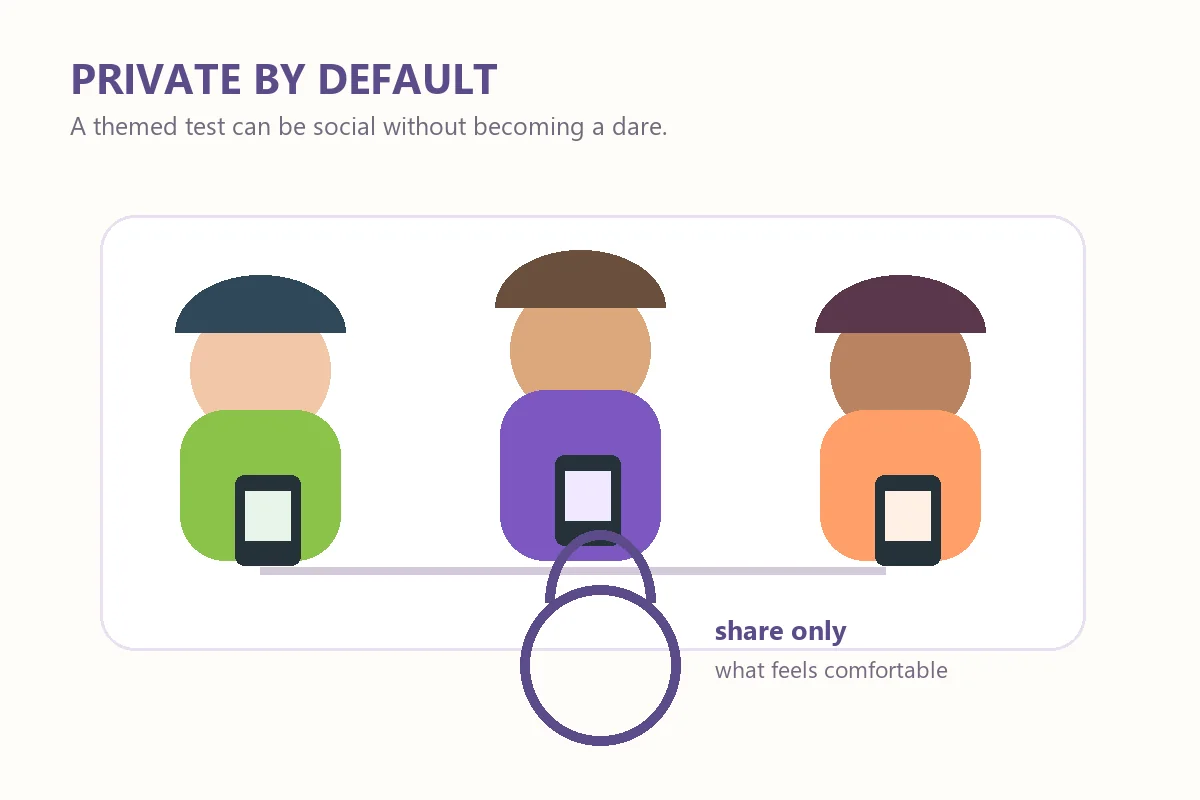
An Overwatch list and a Valorant list can share a checklist format while using completely different language. Overwatch prompts naturally reference heroes, roles, maps, team fights, highlights, and seasonal memories. Valorant prompts may focus on agents, rounds, economy decisions, ranked queues, clutches, and team comms. Our Valorant Rice Purity Test is the site's existing game-specific destination, while the broader gaming Rice Purity Test guide compares mixed themes.
| Version | Best for | Do not assume |
|---|---|---|
| Overwatch | Hero, role, map, team, and event memories. | A score is an official Blizzard profile or rank. |
| Valorant | Agent, round, ranked, skin, and comms references. | Its number can be compared directly with Overwatch. |
| Classic Rice Purity | General life-experience checklist questions. | Its score explains gaming experience or skill. |
For the original checklist wording rather than a game theme, use the site's complete Rice Purity Test question list. Keeping the purposes separate prevents a playful fandom checklist from being mistaken for a psychological assessment.
For first-party terminology, the official Overwatch site is the right place to confirm current hero and game-world language. It does not publish or endorse fan-made purity-test scores, so the article treats this page as an editorial guide rather than an official quiz.
Frequently Asked Questions
Summary
An overwatch rice purity test is a themed fan checklist for hero choices, roles, maps, teamwork, cosmetics, and community memories. Read the scoring rule before interpreting the number, keep it separate from rank or skill, and make every answer and sharing decision optional. If you want a different game theme, compare the Valorant page or the wider gaming guide; if you want the original life-experience checklist, use the complete question list instead.